
What Is CRM and Why Every Growing Business Needs One in 2026
Introduction

As businesses grow, managing customer relationships becomes more complex. As a result, leads come from multiple channels, and sales teams require better tracking systems. At the same time, customer expectations continue to rise. Therefore, companies need structured tools to manage interactions efficiently. This is where a Customer Relationship Management (CRM) system becomes essential.
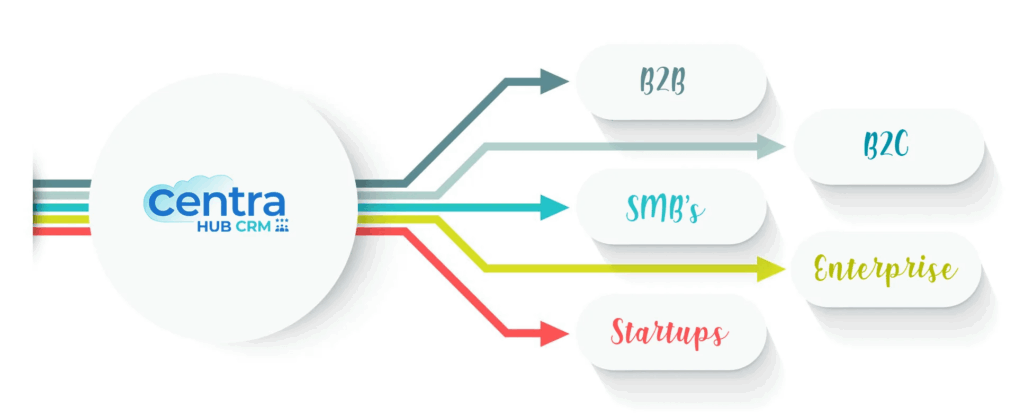
A CRM is no longer a luxury used only by large enterprises. In fact, in 2026 businesses of all sizes — from startups to corporations — rely on CRM systems to improve efficiency and increase sales. Moreover, CRM platforms help organizations build stronger customer relationships through automation and data insights.
In this article, we will explain what CRM is, how it works, and why implementing one can transform your business operations.
Why CRM Is Important for Businesses Today
Modern customers expect fast responses, personalized communication, and seamless experiences. Without a structured system, companies often struggle to meet these expectations. Therefore, implementing a CRM becomes a strategic advantage.
For example, businesses can track interactions, monitor customer behavior, and respond faster to inquiries. As a result, customer satisfaction improves significantly.
Here are the main reasons customer management systems are critical today:
- Better Organization of Customer Data
Businesses often lose opportunities because information is scattered. A CRM ensures all customer data is stored in one place and accessible to the entire team. - Increased Sales Efficiency
Sales teams can track leads more effectively, prioritize opportunities, and automate repetitive tasks, allowing them to focus on closing deals. - Improved Customer Experience
When teams understand customer history and preferences, they can provide faster and more personalized service. - Automation of Routine Tasks
Customer Relationship Management Systems automate emails, follow-ups, reminders, and workflows, reducing manual effort and human error. - Data-Driven Decision Making
With built-in analytics and reports, business owners gain insights into:
- Sales performance
- Customer behavior
- Marketing effectiveness
- Revenue trends
This enables smarter strategic decisions.
Key Features of a Modern CRM
Most modern CRM platforms include:
Contact & Lead Management
Organize customer information and track interactions.
Sales Pipeline Tracking
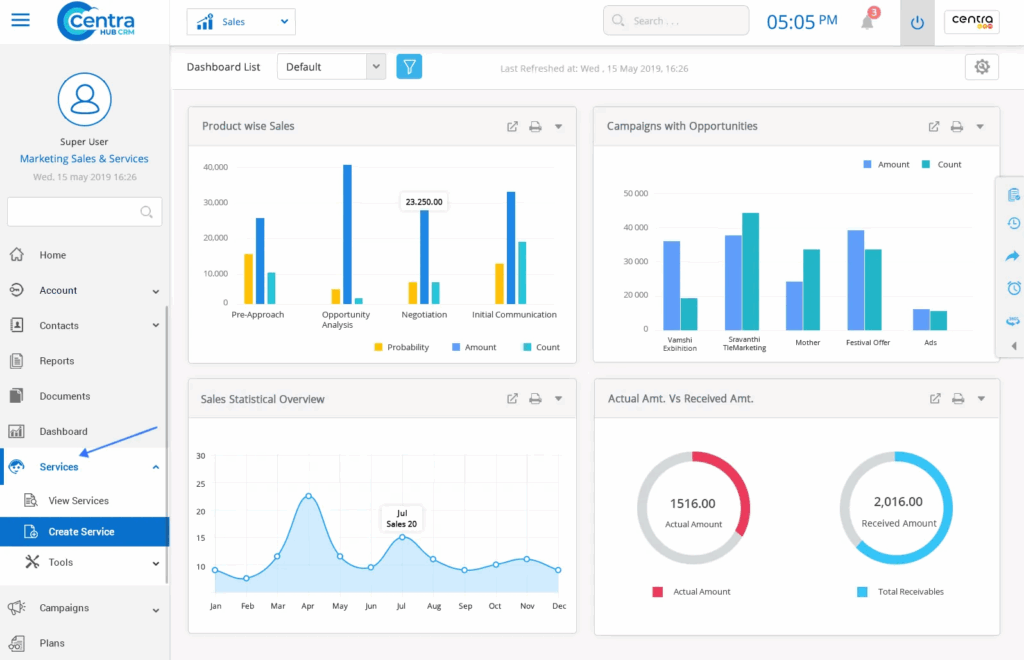
Visual dashboards showing deal stages and progress.
Marketing Automation
Email campaigns, segmentation, and lead nurturing.
Task & Activity Management
Reminders, scheduling, and follow-ups.
Reporting & Analytics
Performance insights and forecasts.
Integration with Other Systems
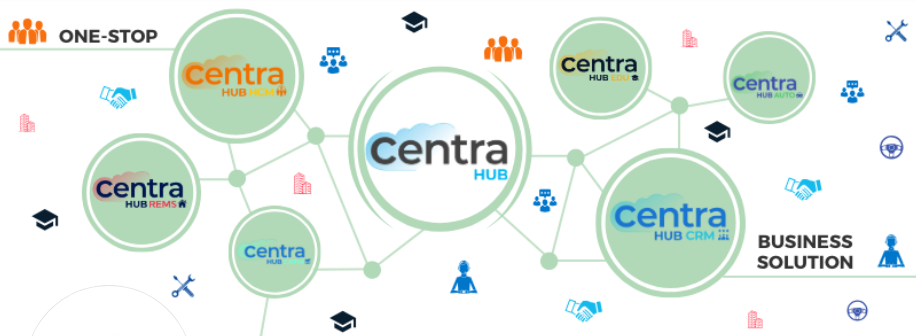
Customer Relationship Management Systems often connect with ERP, accounting, marketing tools, and websites.
Benefits of Implementing a CRM
Businesses that implement client relationship solutions often experience measurable improvements. For example, better lead tracking and automated follow-ups typically result in more closed deals. Furthermore, CRM systems improve team collaboration because departments share the same information in real time.
In addition, automation reduces repetitive work; consequently, it saves time and minimizes human error. As a result, employees can focus more on high-value activities such as strategy development and customer engagement, and, furthermore, overall productivity improves across the organization.
Ultimately, this leads to increased revenue and stronger customer loyalty.
Increased Revenue
Better lead tracking and follow-ups result in more closed deals.
Higher Customer Retention
Understanding customers improves satisfaction and loyalty.
Improved Team Collaboration
Departments share the same information in real time.
Time Savings
Automation reduces repetitive work.
Scalable Growth
CRM systems grow with the business.
Who Needs a CRM?
Many industries benefit from customer management systems, including:
- Sales-driven companies
- Service businesses
- Healthcare and clinics
- Marketing agencies
- Real estate firms
- Retail and e-commerce
- Manufacturing companies
- Professional services firms
If your business manages customers, leads, or projects, then you likely need a customer management system because it helps organize information more effectively. Furthermore, it improves workflow efficiency and, as a result, supports better decision-making and stronger customer relationships.
CRM vs Traditional Methods (Spreadsheets & Notes)
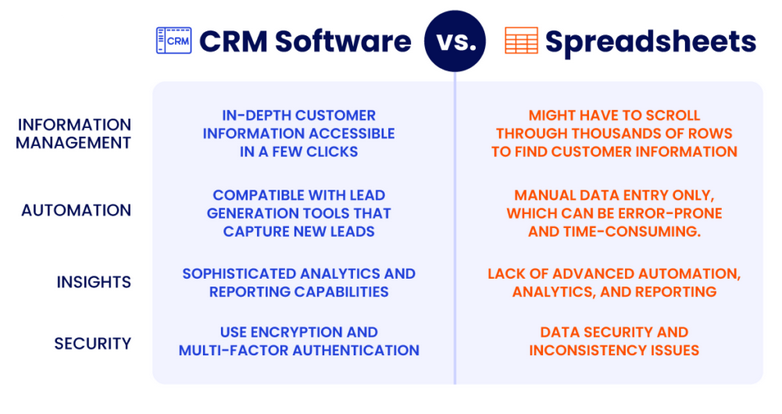
Some businesses still rely on spreadsheets or manual tracking, which creates problems:
- Lost customer data
- Missed follow-ups
- Poor team coordination
- Limited reporting
- Human errors
A customer management system eliminates these risks by providing a structured and automated environment.
How CRM Supports Business Growth

CRM systems support growth by improving:
- Lead conversion rates
- Customer satisfaction
- Sales forecasting accuracy
- Operational efficiency
- Marketing ROI
Companies using customer management system effectively gain a competitive advantage.
Choosing the Right CRM for Your Business
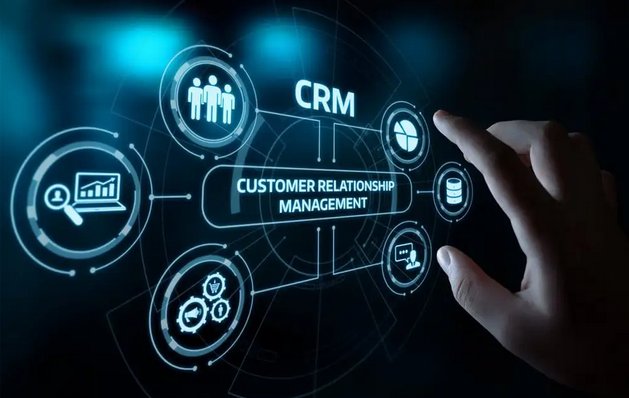
Selecting the right customer management system depends on several factors. For example, company size, industry requirements, and budget all influence the decision; moreover, integration needs and customization options should also be carefully considered. Therefore, working with experienced consultants is important because it helps businesses evaluate these factors properly and, as a result, choose the right solution more efficiently.
How Frame-Tech Helps Businesses Implement CRM Solutions
At Frame-Tech, we help organizations adopt client relationship solution tailored to their operations and goals. Our approach focuses on:
- Business process analysis
- System selection and customization
- Integration with ERP and other tools
- Training and user adoption
- Ongoing support and optimization
The goal is not just installing software; rather, it is about creating a system that drives measurable business results. Moreover, when implemented effectively, it improves efficiency, enhances decision-making, and, in addition, contributes to sustained business performance and growth.
Frequently Asked Questions (FAQ)
CRM stands for Customer Relationship Management.
No. Small and medium businesses benefit significantly from Customer Relationship Management systems because these tools improve customer communication and streamline daily operations. Furthermore, they help businesses increase customer satisfaction, strengthen loyalty, and, as a result, support long-term growth and success.
Costs vary depending on features, users, and customization. Many scalable options exist for different budgets.
Implementation can range from a few weeks to several months depending on complexity.
Yes. Many businesses integrate with ERP for full operational visibility.
Conclusion
In conclusion, managing customer relationships efficiently is essential for business success because it not only improves customer satisfaction but also strengthens customer loyalty. Furthermore, it helps businesses build long-term relationships and, as a result, achieve sustainable growth in an increasingly competitive market. A customer management system provides the structure, automation, and insights needed to grow sustainably. Ultimately, businesses that adopt CRM early gain a strong advantage in sales performance and customer satisfaction.
As technology continues to evolve, organizations will increasingly rely on client relationship solutions because these tools not only improve communication but also enhance customer satisfaction. Furthermore, they help businesses build stronger customer connections and, in addition, support long-term growth in a highly competitive market.
Want to move from theory to implementation? Explore our CRM software solutions or speak with Frame-Tech about the right setup for your business.